-
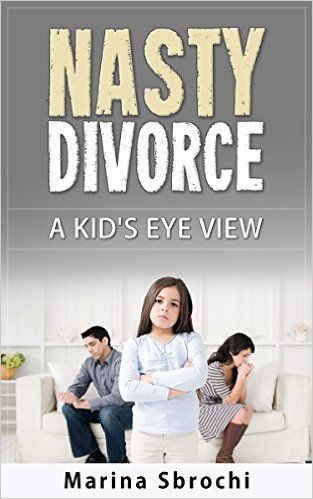
Nasty Divorce: A Kids Eye View (An Excerpt)
Her mother was finally diagnosed with Borderline Personality Disorder. Meredith still deals with the aftermath of abuse and parental alienation. Nasty Divorce: A Kids Eye View (An Excerpt) SEPTEMBER 25, 2015 BY MARINA SBROCHI Marina Sbrochi hopes to incite behavior change by sharing the experiences of children and damaging effects of high conflict divorce. MEREDITH’S STORY Meredith’s parents divorced when her older sister was three and her mother was pregnant with her. She had been told varying stories of why her father hadn’t been in their lives. It began with her mother telling her from as early as she can remember that her father denied fathering her and wanted nothing…
-
Always in a Bad Relationship? Science Says Your DNA Might Be to Blame
Scientists also found that those with the G-gene are “more likely to develop neurotic personalities and psychiatric disorders such as major depression and borderline personality disorder.” Always in a Bad Relationship? Science Says Your DNA Might Be to Blame By Jillian Kramer If you’re chronically single or on what seems to be a hamster wheel of bad relationships, don’t blame the dudes—it may be time to blame Mom and Dad. Or, more specifically, your DNA. New research from Peking University in Beijing found that men and women born with the specific gene type “G” are 20 percent more likely to be single than those without that little strand of DNA.…
-
The Surprising Key Element in Happy Couples – Emotional Intelligence
Bon: I like to call this emotional agility… The Surprising Key Element in Happy Couples Have you ever wondered if you and the guy you just started dating will make it long term? Or are you about to get married, and wish you could really predict if it will last? Do you ever wonder if you and your wife’s relationship is as happy as it can be? What do you think accounts for those who seem madly in love, versus couples who don’t make it or seem miserable together? Most of us can think of all sorts of elements that might make a happy couple. But there’s one key factor…
-
Chennai’s family courts grapple with poorly qualified counselors – India and BPD
The U.S., Canada and U.K. are not the only countries that deal with borderline personality disorder (BPD). I can only image the numbers in India. Here’s an article about Indian courts dealing with a woman whose husband was diagnosed with BPD: Chennai’s family courts grapple with poorly qualified counsellors Ekatha Ann John, TNN Oct 1, 2012, 05.23AM IST CHENNAI: Every scar on 32-year-old Veena’s* body tells a story. When the mother of two approached a family court in the city to seek a divorce from her abusive husband, she was referred to a counsellor who advised her to go back to her tormentor and come to terms with the situation.…
-
Are personality disorders enough to nullify a marriage?
Apparently not… http://newsinfo.inquirer.net/breakingnews/metro/view/20100401-261988/Are-personality-disorders-enough-bases-to-nullify-marriage Are personality disorders enough bases to nullify marriage? By Tetch Torres INQUIRER.net Posted date: April 01, 2010 MANILA, Philippines—Being a “mama’s boy,” immature, or self indulgent, are not grave enough causes to allow the annulment of marriage, the Supreme Court said. Jordan and Jeanice Paz met on November 1996, became a couple on May 10, 1997 and got married two months later. She gave birth to a son in 1998 but left Jordan a year later after a big fight. She filed a petition for declaration of nullity of marriage against Jordan in 1999 accusing her husband of being psychologically incapable of assuming the essential obligations of…
-
Marriage Problems and Authentic Self
Today I was reading the Psychology Today blog of Dr. Steven Stosny, called the “Anger in the Age of Entitlement” blog. Here is a nice article that married people (BP, Non-BP and others) should read: Marriage Problems: How Can I be Me When You’re being You? By Steven Stosny on August 18, 2008 – 3:09pm in Anger in the Age of Entitlement Most people get married because they like the way they are with their partners – loving, compassionate, engaging, supportive, sexy, and flexible. They get divorced because they don’t like the way they are with their partners – resentful, turned off, frustrated, rigid, or bored, all of which they…